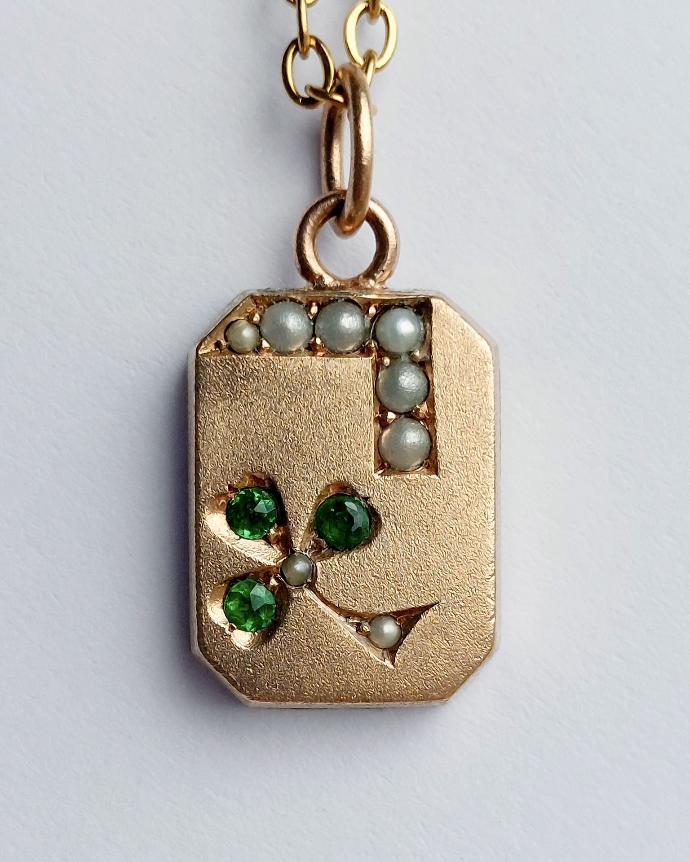
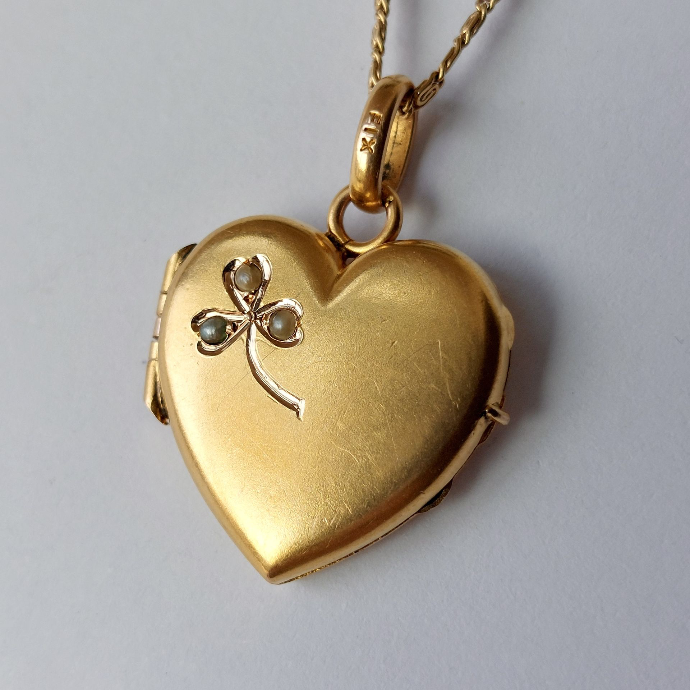
To begin, let us open the personal jewel box of a young Andalusian countess, Eugénie de Montijo!
Through a marriage of love, rather than convenience, she would become empress, wife to the nephew of Napoleon I: Napoleon III (reign: 1853–1870).
The Clover of Compiègne
During the autumn of 1852, the beautiful Eugénie stayed at the Château de Compiègne, invited with her mother by her suitor, the Prince-President Napoleon. That morning in the sunlit park, dewdrops glistened on the clover leaves. Eugénie was enchanted by this transparent brilliance, and confided her admiration to her lover...
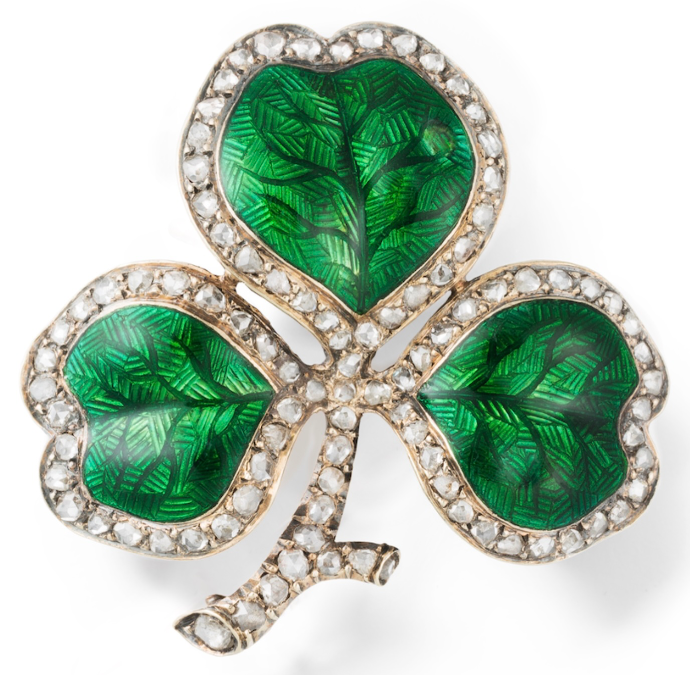
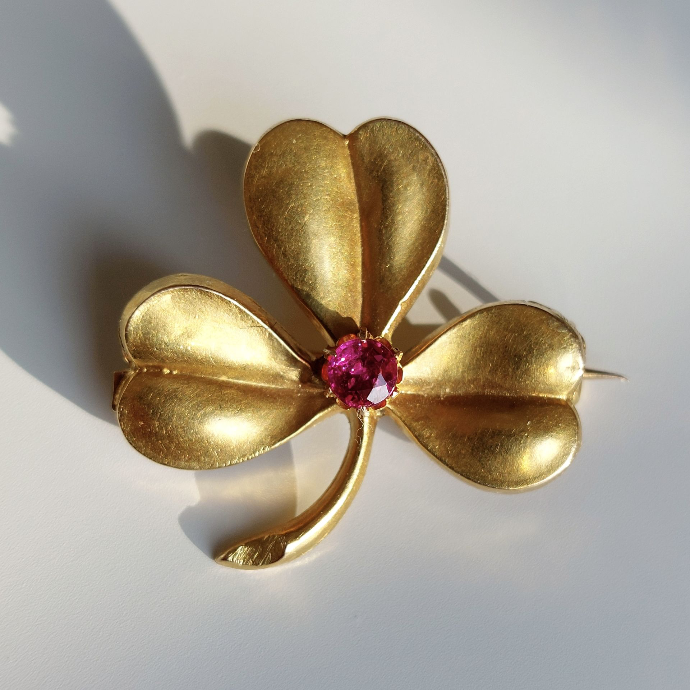
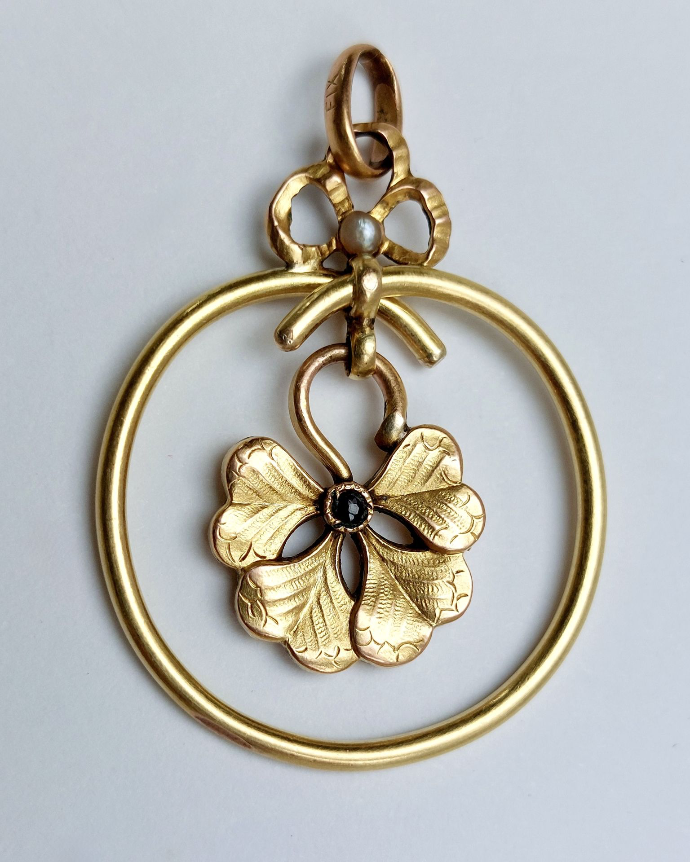
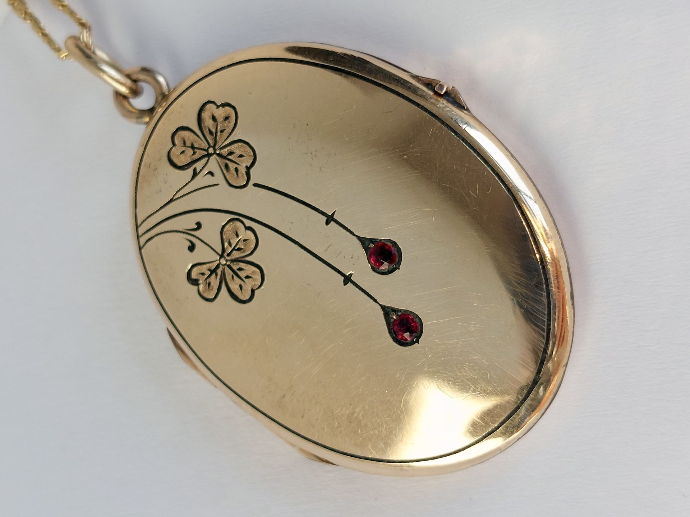
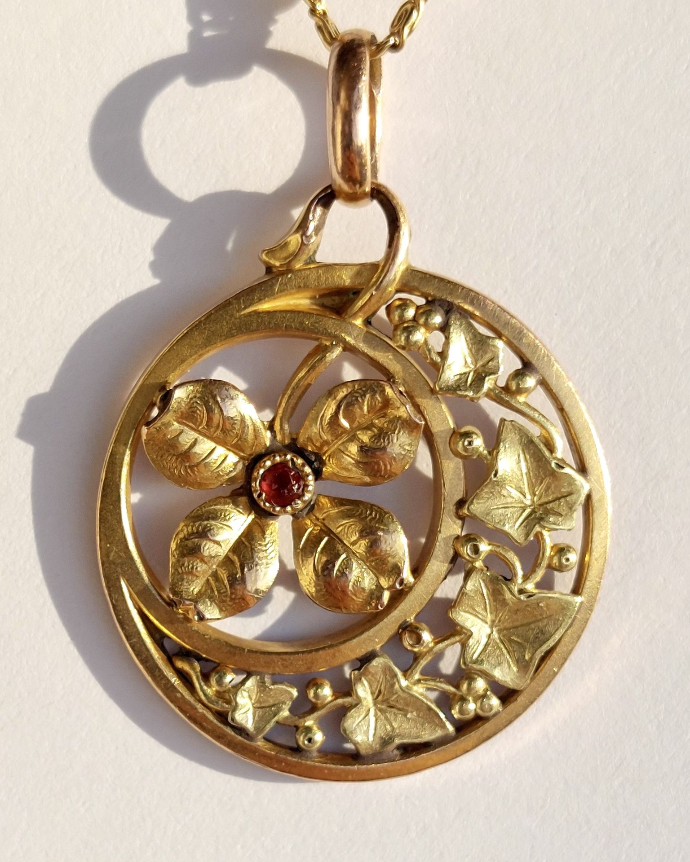
A few days later, a creation from the Chaumet jewelry arrives: a brooch in gold and silver made of three emerald leaves surrounded by diamonds: a clover of love! The court will consider it an engagement gift. It will remain a symbol of Eugénie's pioneering tastes for the beauty of nature, later recreated in jewelry during the Art Nouveau period.
The birth of an iconic piece of jewelry
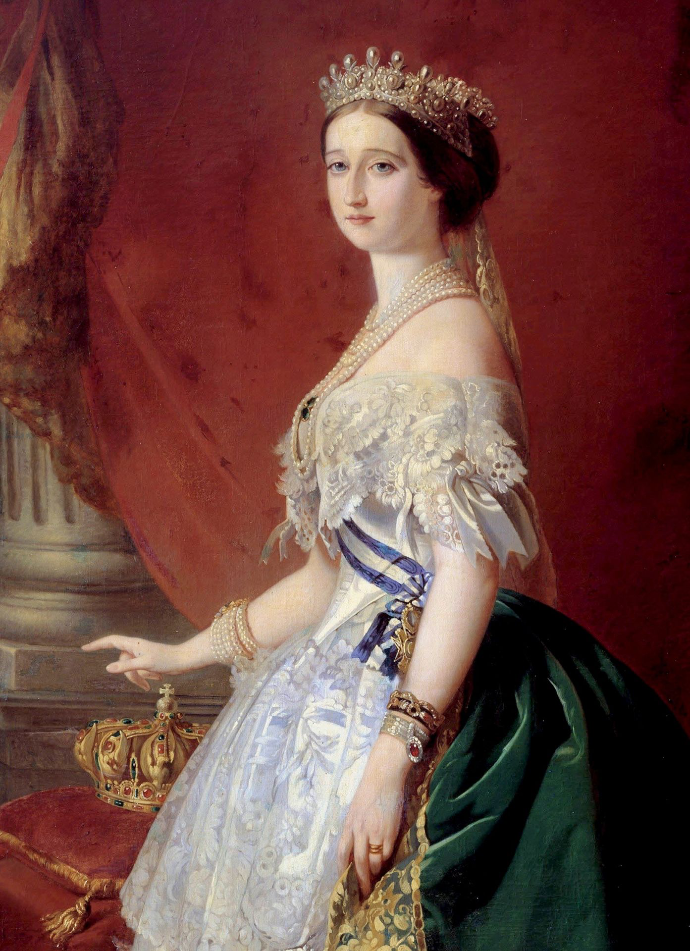
In an official portrait painted in 1853 by Franz Xaver Winterhalter, Eugénie is wearing this brooch. Later on, she would even commission a copy made of gold, silver, and translucent green enamel surrounded by diamonds. The latter still exists today and is part of a private collection. It is in this way that, thanks to Eugénie, the three-leaf clover motif established itself in jewelry making as a romantic and timeless icon.
Outside of official commissions, from her personal jewelry box, Eugénie had an infinite number of small pieces crafted for her own pleasure and that of her loved ones, confirming very modern personal tastes: the mystery setting, plant or animal motifs, and an updated revival of Marie-Antoinette style bows... Brooches, bracelets, combs, belt buckles... Her preference: pearls and emeralds.Eugénie's jewels always reflected her passionate, refined, and modern personality.
In the archives of Mellerio dit Meller, one can admire the design for a commissioned holly leaf brooch or a delightful peacock feather brooch, which was reissued later on.
Before the abdication, the escape, the exile, and the mourning, Eugénie would experience two World's Fairs in Paris (1855 and 1867). There, she made French jewelry shine. One standout was a legendary official parure depicting currant leaves in diamonds, a creation of the Bapst jewelry house! Intricate foliage in a light and flexible composition, shimmering along with the movements of the body. Magical!
You too, like her, can make your jewelry your signature!